

Why Variation in Effort Zones Is Essential for Cycling Performance
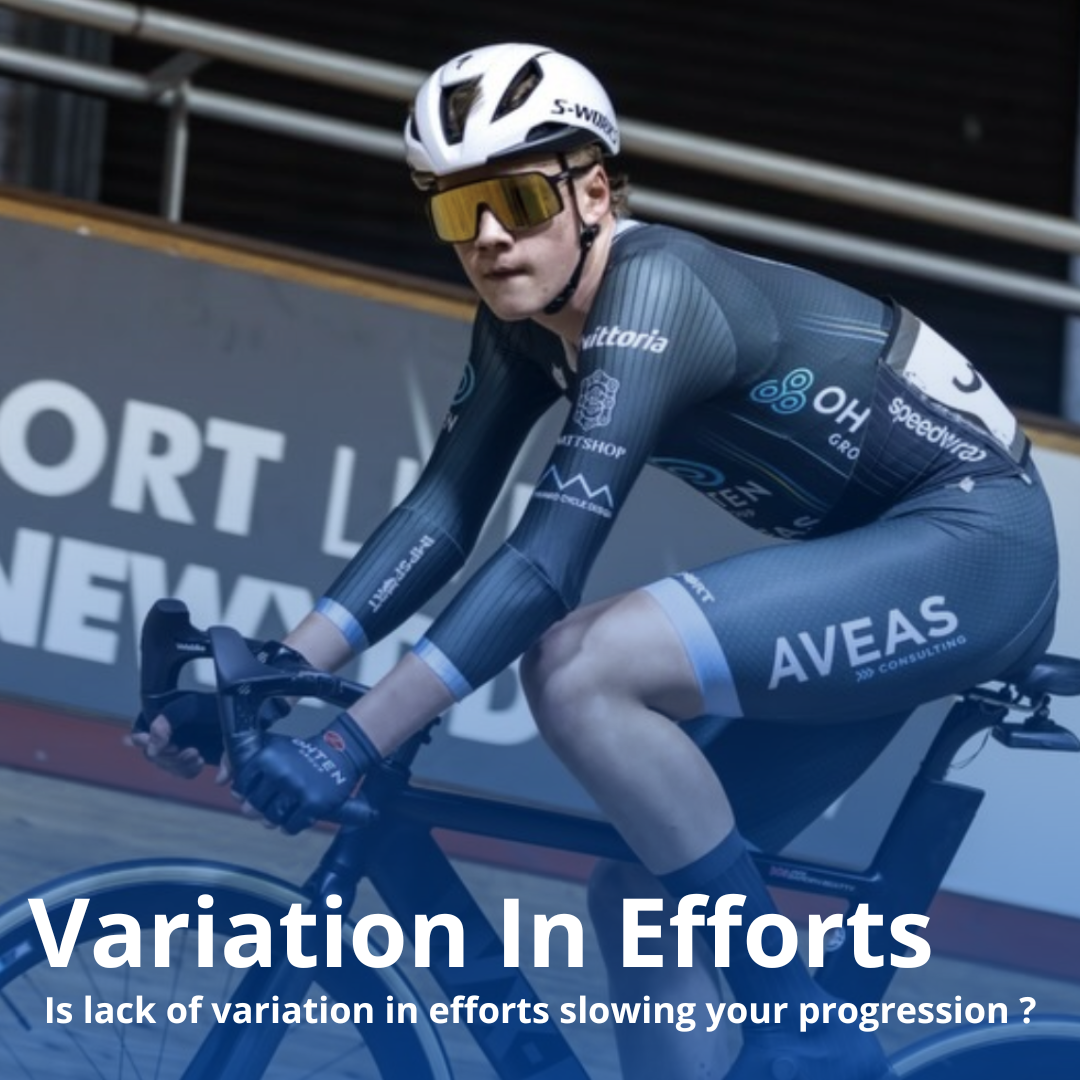
A Complete Training Tip Guide for Smarter, Faster Gains
If you want to improve your cycling performance, simply riding hard every session isn’t the answer. The most effective training plans use variation in effort zones — structured changes in intensity that stress different physiological systems and drive adaptation.
This is how elite riders prepare for events like the Tour de France — and it’s a principle every cyclist should understand.
What Are Effort Zones in Cycling?
Effort zones are structured intensity levels based on power, heart rate, or perceived exertion. Each zone targets a different physiological system.
Most cyclists use a 5–7 zone model:
Zone 1 – Recovery → Active recovery and circulation
Zone 2 – Endurance → Aerobic base and fat metabolism
Zone 3 – Tempo → Sustainable muscular endurance
Zone 4 – Threshold → Lactate tolerance and FTP
Zone 5 – VO₂ max → Oxygen uptake and aerobic capacity
Zone 6+ – Anaerobic → Sprint and peak power
Training across all zones builds a complete, adaptable rider.
Why Variation in Effort Zones Matters
1. Different Systems Adapt to Different Stimulus
Your body doesn’t improve everything at once. Each zone trains a specific system:
Low intensity → Mitochondrial density and aerobic efficiency
Moderate intensity → Muscular endurance
High intensity → Oxygen delivery and power production
Without variation, development stalls.
2. Prevents Performance Plateaus
Riding at the same intensity repeatedly leads to adaptation… then stagnation.
Zone variation:
Creates new stress
Triggers fresh adaptation
Maintains progression
This is why structured training platforms like TrainingPeaks organise sessions by targeted intensity.
3. Improves Recovery and Reduces Burnout
Not every ride should be hard.
Easy zones:
Promote blood flow
Accelerate recovery
Reduce injury risk
Support nervous system balance
Cyclists who train hard all the time often plateau sooner and fatigue more deeply.
4. Builds Race-Ready Versatility
Real cycling events demand constant intensity changes:
Climbs
Attacks
Breakaways
Sprints
Recovery wheels
If you only train at steady effort, you’re unprepared for race dynamics.
5. Maximises Training Efficiency
Variation allows you to target specific weaknesses:
Poor endurance → more Zone 2
Weak threshold → Zone 4 focus
Lack of punch → anaerobic work
This is precision training — not guesswork.
The Science Behind Zone Variation
Effective training uses progressive overload plus recovery.
When you vary effort:
You stress different energy pathways
The body adapts during recovery
Performance capacity increases
This process improves:
VO₂ max
Lactate clearance
Neuromuscular recruitment
Fuel efficiency
Without variation, adaptation becomes incomplete.
How to Structure Zone Variation in a Training Week
A balanced week might look like:
1 long endurance ride (Zone 2)
1 threshold session (Zone 4)
1 high-intensity interval session (Zone 5+)
1–2 recovery rides (Zone 1)
The remaining days depend on experience, recovery capacity, and goals.
Tracking intensity distribution using tools like Strava helps ensure proper balance.
The Most Common Training Mistake
Many cyclists ride in the moderate “grey zone” too often.
This intensity is:
Too hard for recovery
Too easy for adaptation
Result:
Chronic fatigue
Limited improvement
Intentional variation solves this problem.
Signs You’re Using Effort Variation Correctly
You’re likely training effectively if:
✔ Easy rides feel genuinely easy
✔ Hard sessions feel purposeful and structured
✔ Performance improves steadily
✔ Fatigue is manageable
✔ Power or heart rate trends upward over time
Why This Matters for Long-Term Development
Cycling performance is built over months and years — not weeks.
Effort variation supports:
Sustainable progression
Injury prevention
Aerobic system development
Peak race performance
Longevity in the sport
It’s the foundation of professional-level training.
Key Takeaway
Variation in effort zones is not optional — it’s essential.
It allows you to:
Train every physiological system
Avoid plateaus
Recover effectively
Perform across changing race demands
Improve efficiently and sustainably
Train with purpose, not just intensity.