

For many young cyclists, the dream is clear: racing professionally, lining up at national championships, wearing trade team colours, or one day riding the biggest races in the world. For female cyclists in particular, the pathway to the top has never been more exciting — but it has also never been more competitive.
At the heart of turning those dreams into reality lies expert cycling coaching, long-term development, and an environment that nurtures both performance and the person. This is where female cycling coaching and structured youth development truly matter.
In this blog, we explore how the right coaching approach can guide youth cyclists — especially young women — from early promise to elite performance, and why modern cycling coaching is about far more than just watts and training plans.
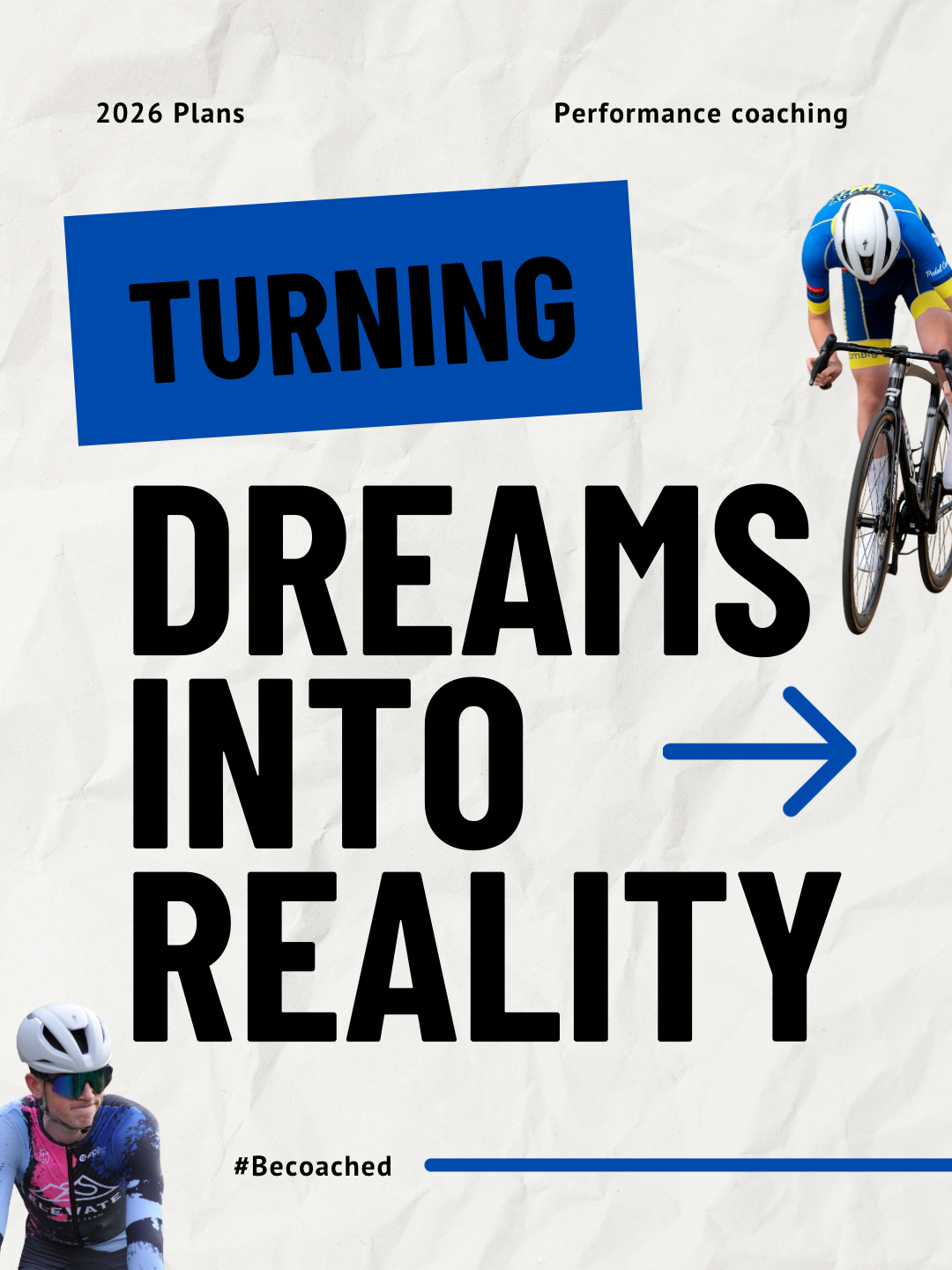
Youth → junior → elite pathway
All dreams start with action. Start your cycling journey today.
The Modern Pathway: From Youth Cyclist to Professional Rider
Becoming a professional cyclist is not about shortcuts. It is a process built over years of consistent, intelligent training, supported by expert guidance and a deep understanding of athlete development.
For youth cyclists, the journey typically follows several key stages:
Foundation years (ages 12–15): Skill development, enjoyment, and broad athletic ability
Development years (ages 16–18): Structured training, race craft, and physical progression
Performance years (18+): High-performance coaching, data-driven training, and competitive exposure
The most successful cyclists are not those who train the hardest early on, but those who train the smartest over the long term. This is a core principle of elite cycling coaching.
Why Female Cycling Coaching Matters More Than Ever
Women’s cycling has evolved dramatically over the last decade. With more professional teams, stronger development pathways, and increased visibility, opportunities have grown — but so have expectations.
Female cycling coaching is not simply “coaching for women.” It is coaching that understands:
Hormonal development and the menstrual cycle
Growth and maturation timelines
Injury risk and bone health
Confidence, communication, and athlete identity
Young female cyclists often face unique challenges, including under-fuelling, overtraining, and a lack of long-term support. Without specialist cycling coaching, talented riders can plateau or burn out before reaching their potential.
High-quality female cycling coaching creates an environment where athletes feel supported, educated, and empowered — not just pushed.
Long-Term Athlete Development: The Key to Sustainable Success
One of the biggest mistakes in youth cycling is focusing too heavily on short-term results. Medals at 14 or 16 mean very little if the athlete does not progress into their 20s.
Elite cycling coaching follows a long-term athlete development (LTAD) model, prioritising:
Progressive training load
Technical skills and efficiency
Physical robustness
Psychological resilience
For youth cyclists, this means avoiding excessive intensity too early, respecting growth phases, and building aerobic capacity gradually. The goal is not early peak performance — it is career longevity.
This approach is especially important in female cycling coaching, where physical development timelines can vary significantly between athletes.
The Role of Data in Modern Cycling Coaching
Power meters, heart rate, GPS, and performance analytics are now standard in elite cycling — but data without context is meaningless.
Effective cycling coaching uses data to:
Track development trends over months and years
Identify strengths and limiter
Adjust training based on fatigue and recovery
Support selection and race preparation
For youth cyclists, data should support learning — not create pressure. A good coach teaches athletes how to understand their numbers, rather than be defined by them.
In female cycling coaching, data interpretation must also account for hormonal fluctuations, recovery patterns, and individual response to training stress.
Skills, Race Craft, and Tactical Intelligence
Raw fitness alone does not create professional cyclists. The best riders are also technically excellent and tactically smart.
High-quality cycling coaching focuses on:
Bike handling and efficiency
Group riding and positioning
Energy conservation
Tactical decision-making under pressure
For youth and junior female cyclists, learning race craft early builds confidence and reduces risk. These skills often separate good riders from great ones as competition intensifies.
The Importance of Communication and Mentorship
Turning dreams into reality requires trust. The relationship between coach and athlete is central to long-term success.
The best cycling coaching environments offer:
Open, ongoing communication
Education around training and recovery
Emotional support during setbacks
Honest guidance on progression and expectations
In female cycling coaching, mentorship is particularly powerful. Seeing a clear pathway — and having a coach who believes in that journey — can be transformational for young riders.
Balancing Education, Life, and High-Performance Cycling
Very few youth cyclists turn professional — and that reality must be handled responsibly.
Elite cycling coaching supports dual pathways, ensuring athletes can pursue education, careers, and personal growth alongside sport. This balance reduces pressure and ultimately leads to better performance.
Ironically, athletes who feel secure outside of cycling often perform better within it.
What Separates Potential from Progress
Many youth cyclists have talent. Far fewer fulfil it.
The difference is rarely motivation alone. It is:
Structured, individualised cycling coaching
Patience and long-term planning
Support through setbacks and plateaus
A belief in development over hype
For female cyclists, access to specialist female cycling coaching can be the defining factor that keeps them in the sport long enough to succeed.


Turning Dreams into Reality
Becoming a professional cyclist is not about luck. It is about alignment — between athlete, coach, environment, and opportunity.
With the right cycling coaching, youth cyclists can progress with clarity, confidence, and purpose. For young women in particular, expert female cycling coaching ensures talent is nurtured, protected, and developed — not rushed or wasted.
Dreams remain dreams without structure. With the right guidance, they become goals. And with the right coaching, those goals can become reality.
Looking for Expert Cycling Coaching?
If you or your child are serious about progressing in cycling — whether at youth, junior, or elite level — choosing the right coach is the most important decision you will make.
High-performance, individualised cycling coaching and specialist female cycling coaching can define not just results, but an entire career.
Train smart. Develop patiently. Build a future in cycling.
Raceline Coaching, on behalf of SafeBike, is now offering bike box rentals from Newport Velodrome. Boxes are available at £10 per day and can be booked for periods of up to 4 weeks. These easy-fit bike boxes allow you to keep your handlebars on while keeping your bike safe and secure.
What you need to do :
Place an order for £10. This will trigger the box box company ( SafeBike ) to get in touch with you about your order and timings.
Safebike will continue the process.